Sounds and Colours Presents: Colombia
Collectable book and CD focusing on the incredible music and culture of Colombia
This summer Sounds and Colours - a UK-based South American music and culture website - is launching it's first ever print edition, focusing on the music and culture of Colombia.
http://www.soundsandcolours.com/
Keen to banish existing stereotypes, this collectable book and accompanying CD takes a fresh look at the country’s music and culture, with articles on established genres like cumbia and vallenato, as well as lesser-known folk rhythms and traditions. It also delves into the current music scene and the ways in which Colombian music has influenced artists worldwide.
There will also be features on Colombian cinema, Circo Para Todos, indigenous culture, alternative tourist destinations, Barranquilla Carnival, and lots more. See 'The Contents' below for full details. We've been working on this content all year, doing research into some of the most interesting cultural aspects of Colombia, as well as speaking to collaborators and writers to work on the content, with the aim of bringing you something unique and insightful.
Sounds and Colours Presents Colombia will be:
• a thoroughly-researched, passionately-written 208-page book/magazine looking at the music, film, arts and culture of Colombia,
• a valuable resource for anyone interested in Colombia and its culture,
• a reflection on both alternative and popular culture from the country,
• a multimedia publication incorporating articles, photographs and illustrations in the print publication, as well as online platforms featuring exclusive music and resources.
Why Colombia?
Colombia is the perfect starting point for what we hope to be a series of Sounds and Colours Print Editions. It's a country that seems condemned to sterotypes, yet if you've been to Colombia you'll know that it is one of the friendliest and most beautiful countries in the world. And - importantly for us - it is a country full of culture.
What Is Needed
Quite simply we are aiming to make enough money to print 1,000 copies of the book, all of which will come with an accompanying CD of new Colombian music produced by our good friends at Movimientos: listen to their Colombia radio special here. http://soasradio.org/content/movimientos-nuevo-colombia
This accounts for $4,000 of our funding goal. The remaining $500 will go towards paying a number of Colombian artists and illustrators for their artwork.
For more information: Sounds And Colour
Sounds and Colours Presents: Colombia
Collectable book and CD focusing on the incredible music and culture of Colombia
This summer Sounds and Colours - a UK-based South American music and culture website - is launching it's first ever print edition, focusing on the music and culture of Colombia.
http://www.soundsandcolours.com/
Keen to banish existing stereotypes, this collectable book and accompanying CD takes a fresh look at the country’s music and culture, with articles on established genres like cumbia and vallenato, as well as lesser-known folk rhythms and traditions. It also delves into the current music scene and the ways in which Colombian music has influenced artists worldwide.
There will also be features on Colombian cinema, Circo Para Todos, indigenous culture, alternative tourist destinations, Barranquilla Carnival, and lots more. See 'The Contents' below for full details. We've been working on this content all year, doing research into some of the most interesting cultural aspects of Colombia, as well as speaking to collaborators and writers to work on the content, with the aim of bringing you something unique and insightful.
Sounds and Colours Presents Colombia will be:
• a thoroughly-researched, passionately-written 208-page book/magazine looking at the music, film, arts and culture of Colombia,
• a valuable resource for anyone interested in Colombia and its culture,
• a reflection on both alternative and popular culture from the country,
• a multimedia publication incorporating articles, photographs and illustrations in the print publication, as well as online platforms featuring exclusive music and resources.
Why Colombia?
Colombia is the perfect starting point for what we hope to be a series of Sounds and Colours Print Editions. It's a country that seems condemned to sterotypes, yet if you've been to Colombia you'll know that it is one of the friendliest and most beautiful countries in the world. And - importantly for us - it is a country full of culture.
What Is Needed
Quite simply we are aiming to make enough money to print 1,000 copies of the book, all of which will come with an accompanying CD of new Colombian music produced by our good friends at Movimientos: listen to their Colombia radio special here. http://soasradio.org/content/movimientos-nuevo-colombia
This accounts for $4,000 of our funding goal. The remaining $500 will go towards paying a number of Colombian artists and illustrators for their artwork.
For more information: Sounds And Colour

.

Thursday, June 7, 2012
Sounds and Colours Presents: Colombia
Sounds and Colours Presents: Colombia
Collectable book and CD focusing on the incredible music and culture of Colombia
This summer Sounds and Colours - a UK-based South American music and culture website - is launching it's first ever print edition, focusing on the music and culture of Colombia.
http://www.soundsandcolours.com/
Keen to banish existing stereotypes, this collectable book and accompanying CD takes a fresh look at the country’s music and culture, with articles on established genres like cumbia and vallenato, as well as lesser-known folk rhythms and traditions. It also delves into the current music scene and the ways in which Colombian music has influenced artists worldwide.
There will also be features on Colombian cinema, Circo Para Todos, indigenous culture, alternative tourist destinations, Barranquilla Carnival, and lots more. See 'The Contents' below for full details. We've been working on this content all year, doing research into some of the most interesting cultural aspects of Colombia, as well as speaking to collaborators and writers to work on the content, with the aim of bringing you something unique and insightful.
Sounds and Colours Presents Colombia will be:
• a thoroughly-researched, passionately-written 208-page book/magazine looking at the music, film, arts and culture of Colombia,
• a valuable resource for anyone interested in Colombia and its culture,
• a reflection on both alternative and popular culture from the country,
• a multimedia publication incorporating articles, photographs and illustrations in the print publication, as well as online platforms featuring exclusive music and resources.
Why Colombia?
Colombia is the perfect starting point for what we hope to be a series of Sounds and Colours Print Editions. It's a country that seems condemned to sterotypes, yet if you've been to Colombia you'll know that it is one of the friendliest and most beautiful countries in the world. And - importantly for us - it is a country full of culture.
What Is Needed
Quite simply we are aiming to make enough money to print 1,000 copies of the book, all of which will come with an accompanying CD of new Colombian music produced by our good friends at Movimientos: listen to their Colombia radio special here. http://soasradio.org/content/movimientos-nuevo-colombia
This accounts for $4,000 of our funding goal. The remaining $500 will go towards paying a number of Colombian artists and illustrators for their artwork.
For more information: Sounds And Colour

Wednesday, August 24, 2011
Sunday, August 14, 2011
New Video: This is Colombia
A great video to promote tourism in the wonderful country of Colombia.
Official Video: EXPEDICIÓN CÓNDOR DE LOS ANDES
Esto es Colombia
With Mary Hellen y Kiño
Directed by: Jorge Roldan y Felipe López "Pope"
4 Producciones -- Señalcolombia
Friday, August 12, 2011
La Colombiana Trailer

Zoe Saldana is la Colombiana
COLOMBIANA
A young woman grows up to be a stone-cold assassin after witnessing her parents' murder as a child in Bogota. She works for her uncle as a hitman by day, but her personal time is spent engaging in vigilante murders that she hopes will lead her to her ultimate target - the mobster responsible for her parents' death.
Colombian movie trailer
Friday, July 29, 2011
New Pablo Escobar Feature Takes Flight
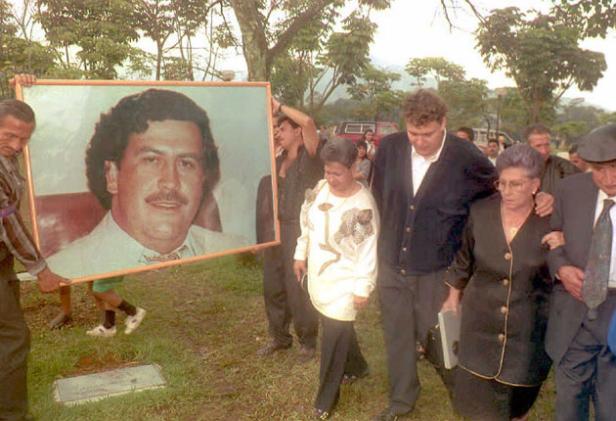
The Life and Death of Pablo Escobar, Medellin Cartel Godfather
"This is the Latino 'Godfather'," producer Scott Steindorff tells THR.
A new take on notorious drug lord Pablo Escobar is on its way to the big screen.
Brad Furman, who directed the spring hit The Lincoln Lawyer, is in negotiations to direct the untitled feature, while Matt Aldrich, who made a big splash in May when his spec Father Daughter Time: A Tale of Armed Robbery and Eskimo Kisses sold to Warner Bros., is writing the script.
Scott Steindorff, most recently a producer on The Lincoln Lawyer, is producing via his Stone Village Pictures.
The life of Escobar, the charismatic and murderous Colombian blood lord, has long captivated Hollywood. In recent years there were two competing projects: Escobar, which Oliver Stone was developing, and Killing Pablo, based on a Mark Bowden book, with Joe Carnahan attached to direct. Both movies have since been put on hold.
The Hollywood Reporter (complete article.)
Wednesday, July 27, 2011
Colombian salsa singer Arroyo dies

Colombian salsa singer Joe Arroyo
Famed Colombian singer Joe Arroyo, composer of such salsa classics as La Rebelion and Echao pa'lante and Tania. died Tuesday after a monthlong hospitalization. He was 55.
The singer, whose given name was Alvaro Jose Arroyo, died at a hospital in Barranquilla, where he was being treated for hypertension and fluid in his lungs, his manager, Luis Ojeda, told The Associated Press.
Arroyo composed some 200 songs and performed with artists including Celia Cruz and Shakira.
He first appeared in the 1970s with the orchestra Fruko y sus Tesos, and formed his own band in Medellin in 1981 called La Verdad. Two years later, he moved to Barranquilla. (complete article.)
Thursday, May 5, 2011
Colombiana Trailer 2011
COLOMBIANA - 2011
A young woman grows up to be a stone-cold assassin after witnessing her parents' murder as a child in Bogota. She works for her uncle as a hitman by day, but her personal time is spent engaging in vigilante murders that she hopes will lead her to her ultimate target - the mobster responsible for her parents' death.
Sony Pictures presents Colombiana, which stars Avatar's Zoe Saldana as a stone-cold assassin. It's directed by Olivier Megaton. Colombiana movie was written by the Taken team of Luc Besson and Robert Mark Kamen.
Subscribe to:
Posts (Atom)